
Fire Safety in the Workplace: Prevention, Preparedness, and Response
In the UK, fire safety in the workplace is not just a matter of best practice - it's a legal requirement. Every year, fires in workplaces cause significant damage to properties, disrupt businesses, and, most tragically, result in loss of life.
For those designated as fire wardens within their organisations, understanding the principles of prevention, preparedness, and response is crucial.
1. Prevention: The First Line of Defence
Understanding Fire Risks
Every workplace is unique, and so are its fire risks. Whether it's electrical equipment in an office, flammable materials in a factory, or cooking appliances in a restaurant, understanding these risks is the first step in prevention.
Regular Risk Assessments
Under the Regulatory Reform (Fire Safety) Order 2005, employers are required to carry out regular fire risk assessments. This involves identifying potential fire hazards, evaluating who might be harmed, and determining the adequacy of existing fire precautions.
Safe Storage and Disposal
Flammable materials and chemicals should be stored safely, away from ignition sources. Similarly, waste materials, especially those that are combustible, should be disposed of promptly and safely.
2. Preparedness: Being Ready for the Unexpected
Clear Evacuation Routes
Ensure that escape routes are clearly marked and free from obstructions. Regularly check emergency exits and ensure they open easily.
Fire Drills and Training
Regular fire drills ensure that everyone knows what to do in case of a fire. Training sessions can also help staff understand the importance of fire safety and their roles in an emergency.
Fire Detection and Warning Systems
Smoke alarms, heat detectors, and fire alarm systems play a pivotal role in early detection. They should be tested regularly to ensure they're in working order.
3. Response: When Every Second Counts
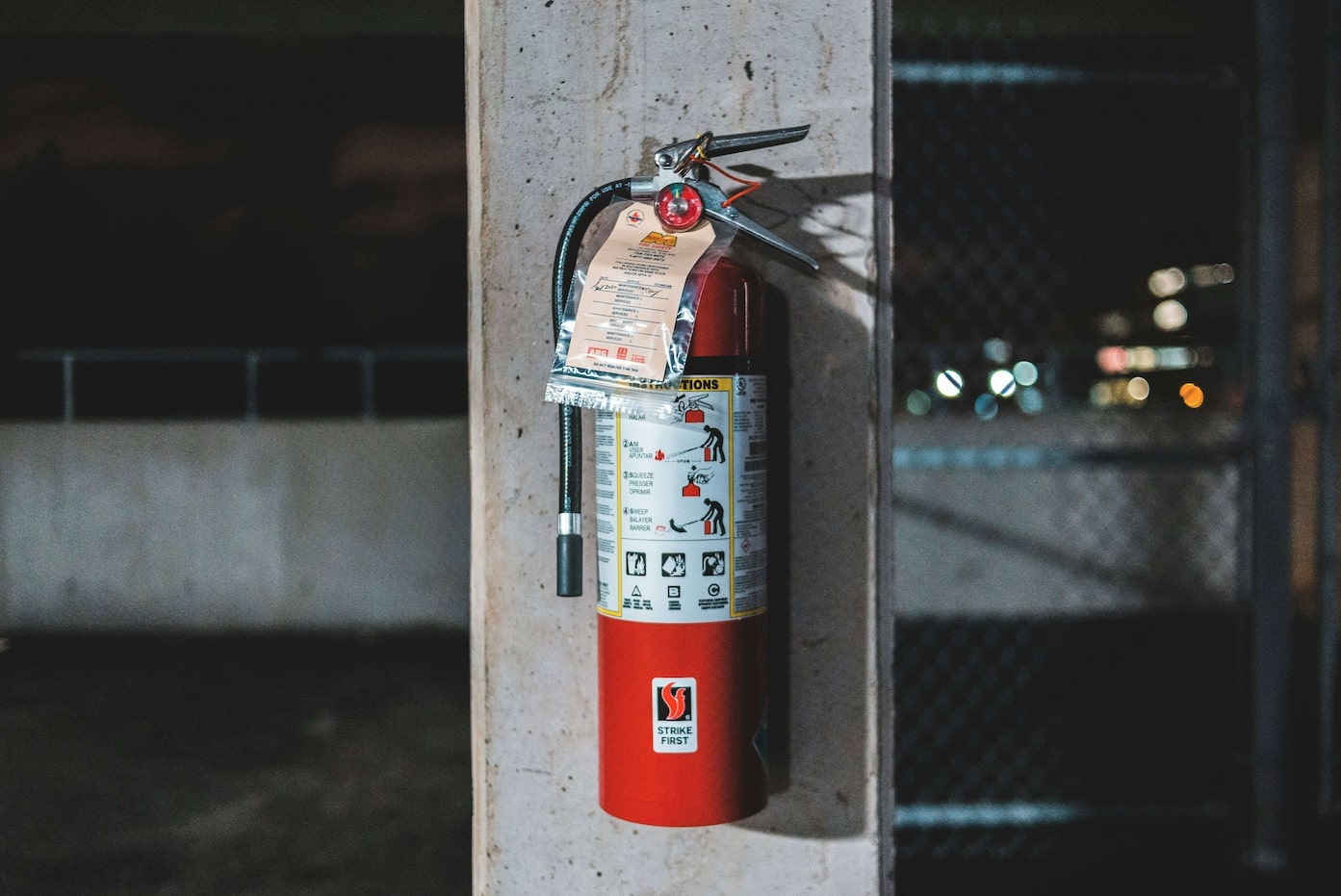
Using Fire Extinguishers
Not all fires are the same, and using the wrong type of fire extinguisher can be ineffective or even dangerous. It's essential to know which extinguisher to use for different types of fires.
Evacuation vs. Fighting the Fire
While it might be tempting to try and put out a small fire, it's crucial to prioritise safety. If there's any doubt about whether a fire can be controlled, the best course of action is to evacuate immediately.
Post-Fire Actions
Once the immediate danger has passed, it's essential to account for all staff and visitors, provide first aid if necessary, and inform the relevant authorities. It's also a good time to review what happened, learn from any mistakes, and improve fire safety measures.
Webb's Training Services: Your Partner in Fire Safety
For those tasked with the significant responsibility of being a fire warden, having the right training is not just beneficial—it's essential.
Webb's Training Services offers the 'Fire Warden Training Including Practical Demonstrations and Use of Fire Extinguishers' course, tailored to provide fire wardens with the knowledge and skills they need.
This comprehensive course covers everything from understanding fire risks to practical demonstrations on using fire extinguishers.
With a focus on current legislation relating to fire precautions, the course ensures that fire wardens are not only prepared to respond to emergencies but also to ensure that workplaces comply with all legal requirements.
In conclusion, fire safety in the workplace is a collective responsibility. While fire wardens play a crucial role, it's up to everyone to be vigilant, informed, and prepared. With the right training and a proactive approach, we can all contribute to making our workplaces safer and more resilient against the threat of fire.